

Ligament (ACL/PCL) Reconstruction Surgeries – Dr. Emad Ansari (Orthopaedic Surgeon, Maharashtra)
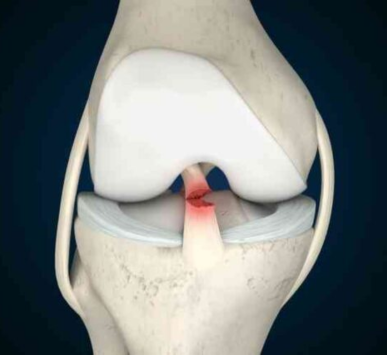
Ligament reconstruction surgery is an advanced orthopedic procedure performed to repair or replace torn ligaments in the knee joint, particularly the Anterior Cruciate Ligament (ACL) and Posterior Cruciate Ligament (PCL). These ligaments play a crucial role in maintaining knee stability, balance, and proper joint movement. Injuries to these ligaments commonly occur during sports activities, sudden twisting movements, accidents, or high-impact physical activities.
Dr. Emad Ansari, an experienced Orthopaedic Surgeon in Maharashtra, provides specialized treatment for ligament injuries using modern surgical techniques and advanced orthopedic care. His goal is to restore knee stability, relieve pain, and help patients return to their normal daily activities and sports safely.
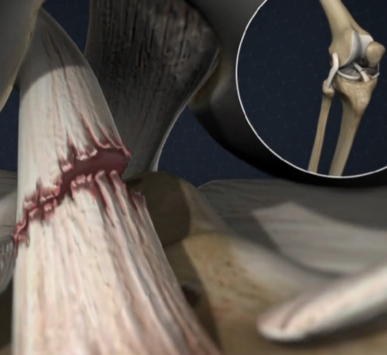
What are ACL and PCL Injuries? The ACL (Anterior Cruciate Ligament) and PCL (Posterior Cruciate Ligament) are strong bands of tissue that connect the thigh bone (femur) to the shin bone (tibia). These ligaments help control the movement of the knee and keep the joint stable. ACL injuries often occur during sports involving sudden deceleration, pivot turns, or jumping. PCL injuries usually happen due to direct high-energy impact to the flexed knee, such as dashboard vehicular collisions or direct athletic tackles.
When these ligaments are torn or severely damaged, patients may experience knee pain, rapid swelling, instability (giving way sensation), difficulty walking, and limited range of motion. In many cases, arthroscopic surgical reconstruction is required to restore proper mechanical function and prevent premature joint degeneration.
Clinical Case Study & Pre/Post-Op X-Rays
High-resolution radiographs demonstrating surgical fixation, anatomic bone alignment, and progressive recovery under Dr. Emad Ansari.
Symptoms & Indications for Ligament Reconstruction:
Treatment Approaches & Procedures
Diagnostic Evaluation & Pre-Op Planning
Thorough physical assessment including Lachman, Pivot Shift, and Posterior Drawer clinical tests, corroborated by high-resolution 3T MRI scans to map tear completeness, multi-ligament involvement, and meniscal health.
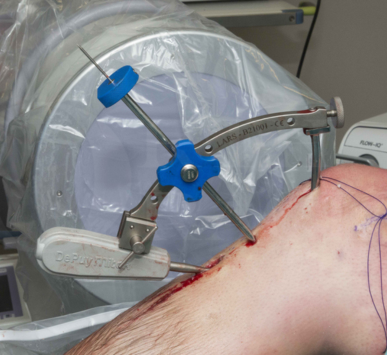
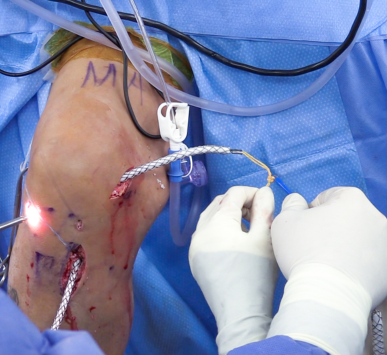
Arthroscopic Autograft Reconstruction
Minimally invasive keyhole procedure using hamstring tendon, patellar tendon, or quadriceps tendon autografts. Precisely positioned anatomical tunnels ensure physiological graft isometry, secured with bio-absorbable interference screws or cortical buttons.
Meniscal Preservation & Chondral Balancing
Simultaneous arthroscopic meniscal repair or balancing performed during reconstruction to protect articular cartilage and drastically minimize future osteoarthritic risk.
Phased Sports Rehabilitation & Return-to-Play
A structured, multi-phase rehabilitation protocol prioritizing early range of motion, progressive closed-chain strengthening, neuromuscular agility drills, and objective functional testing before sports clearance.