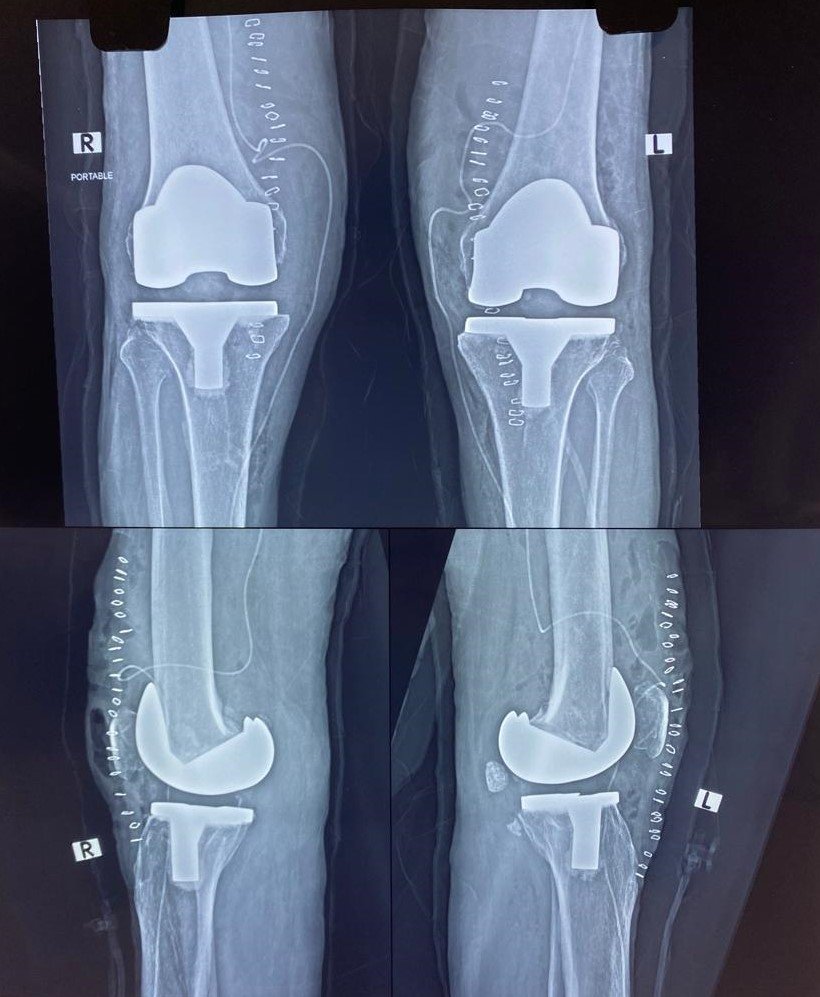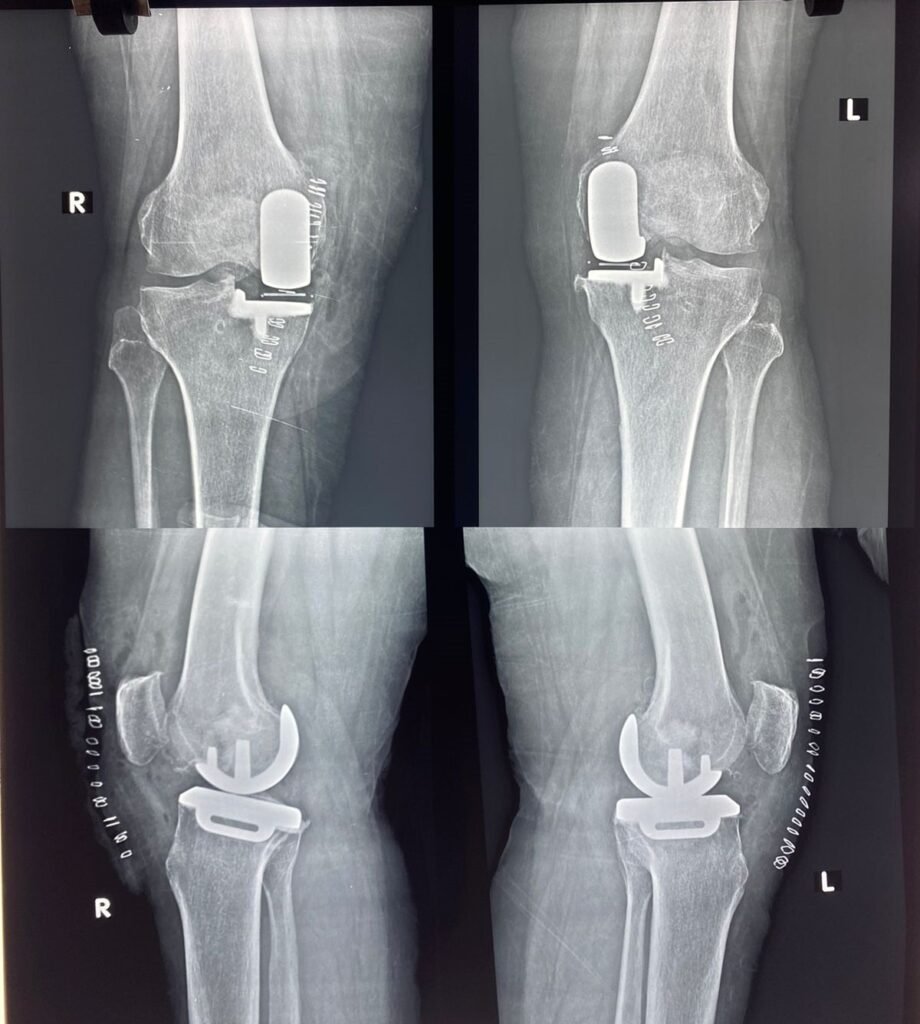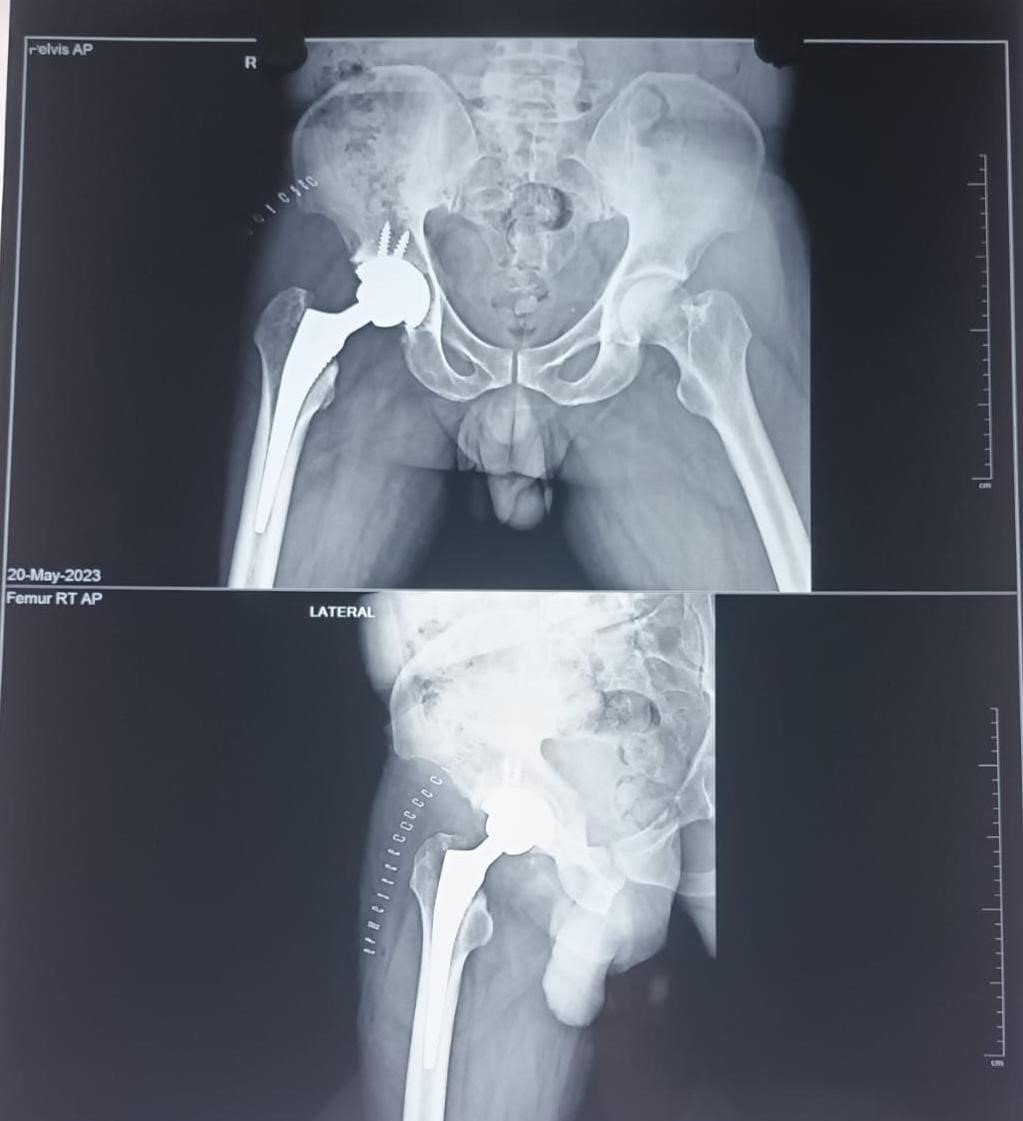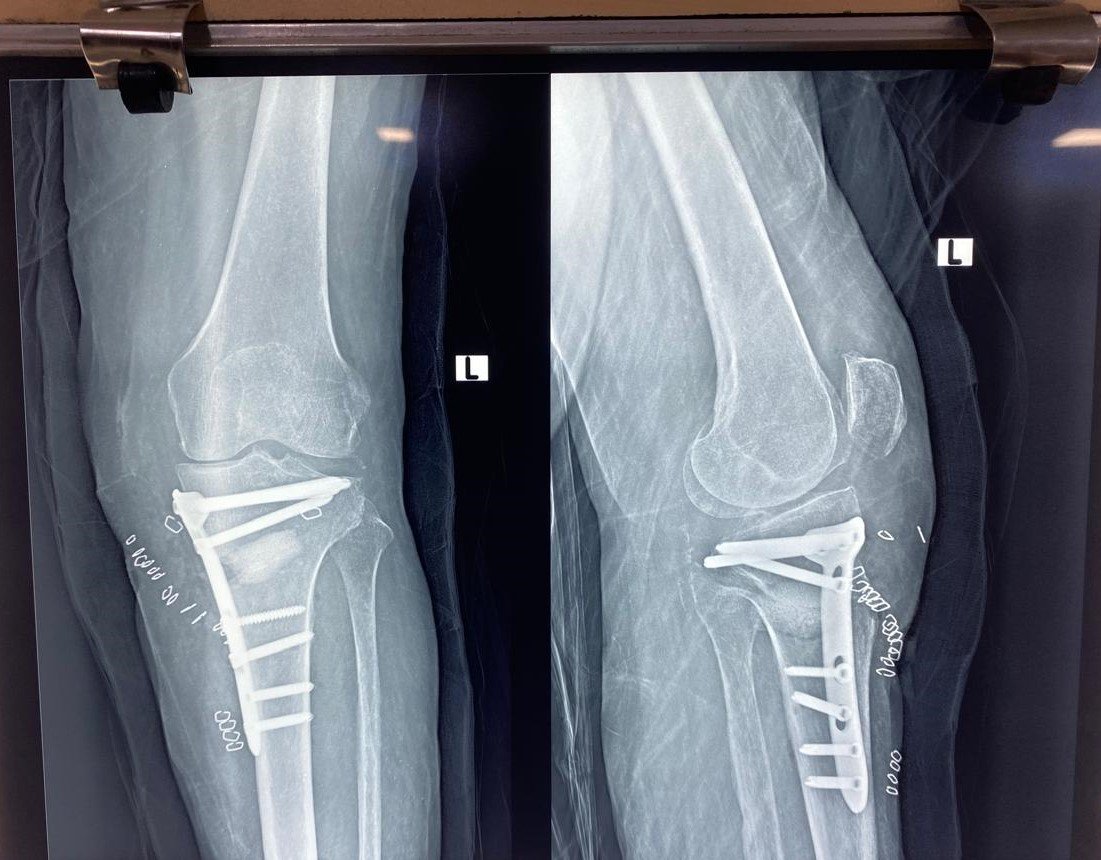

High-energy vehicular collisions, industrial machinery accidents, and falls from heights often result in polytrauma—a condition where patients sustain multiple traumatic injuries, often involving both the appendicular skeleton (arms and legs) and the axial skeleton (pelvis and spine). In such complex cases, mortality and the risk of permanent disability are high, demanding decisive surgical planning and multidisciplinary resuscitation.
Understanding Complex Fractures & Pelvic Instability
Unlike simple isolated fractures, complex trauma involves:
- Comminuted Fractures: The bone is shattered into multiple fragments, losing its intrinsic structural load-bearing capacity.
- Pelvic Ring Disruptions: Unstable fractures of the pelvis can cause massive retroperitoneal bleeding, making immediate pelvic wrapping or external stabilization an emergency priority.
- Open / Compound Wounds (Gustilo-Anderson III): Massive soft tissue tears exposing devitalized bone, requiring radical surgical debridement to prevent severe osteomyelitis.
- Articular Incongruity: Fractures entering major joint surfaces (knee, hip, ankle) that demand millimeter-perfect anatomical restoration to ward off premature post-traumatic arthritis.
The Concept of Damage Control Orthopedics (DCO)
In critically injured patients suffering from the lethal triad of hypothermia, acidosis, and coagulopathy, prolonged extensive surgery can be life-threatening. Dr. Emad Ansari employs the evidence-based Damage Control Orthopedics approach:
- Phase 1: Rapid resuscitation, hemorrhage control, and rapid provisional stabilization using modular external fixators.
- Phase 2: Intensive Care Unit (ICU) stabilization and physiological recovery over 48 to 72 hours.
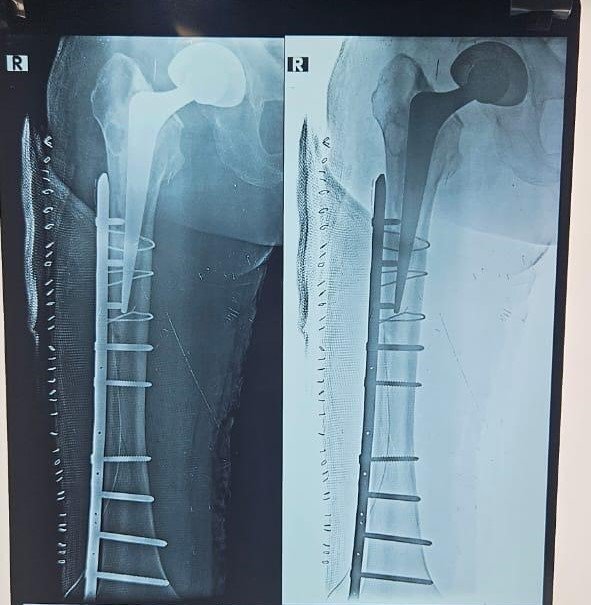
- Phase 3: Definitive reconstruction with anatomical locking plates and intramedullary implants once the patient is hemodynamically stable.
Reconstructive Techniques for Severe Skeletal Trauma
Modern surgical reconstruction relies on cutting-edge techniques such as biological plating (MIPO - Minimally Invasive Plate Osteosynthesis), bone grafting, antibiotic-impregnated cement spacers, and Ilizarov ring fixation for bone defects. Through dedicated surgical precision and structured multi-stage rehabilitation, Dr. Ansari helps patients recover from devastating injuries and reclaim independence.

Authored by Dr. Emad Ansari
MBBS, MS Ortho, FIJR — Consultant Orthopaedic, Joint Replacement & Trauma Surgeon, Bhiwandi, Maharashtra.
Providing evidence-based orthopedic care, minimally invasive trauma surgery, and comprehensive joint restoration across Maharashtra.