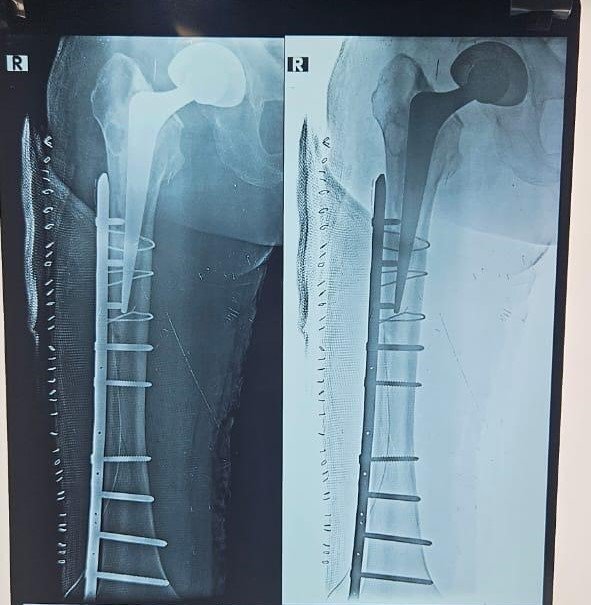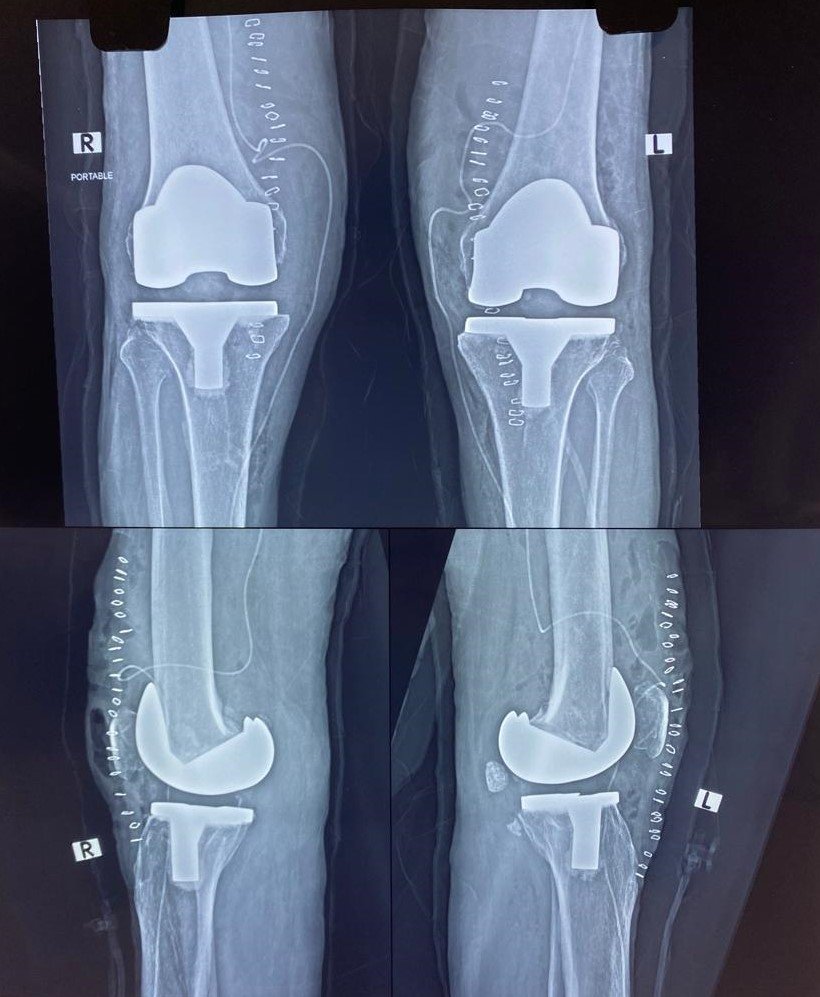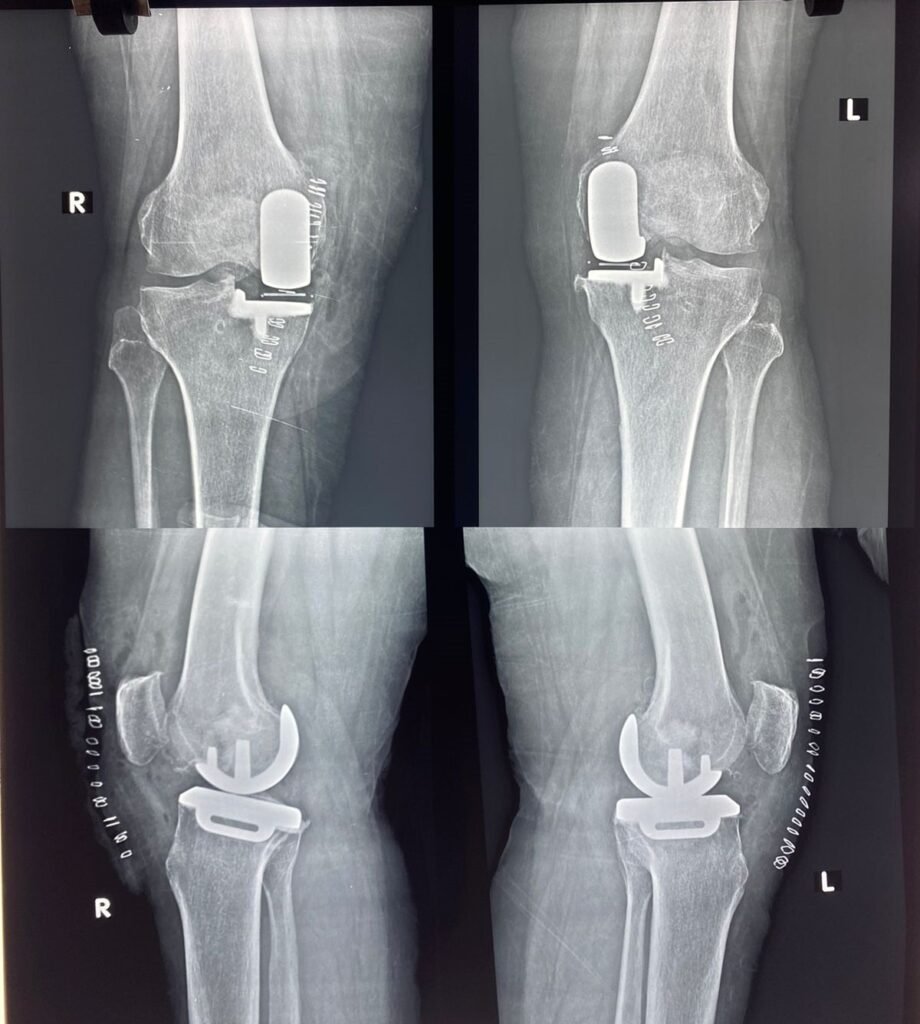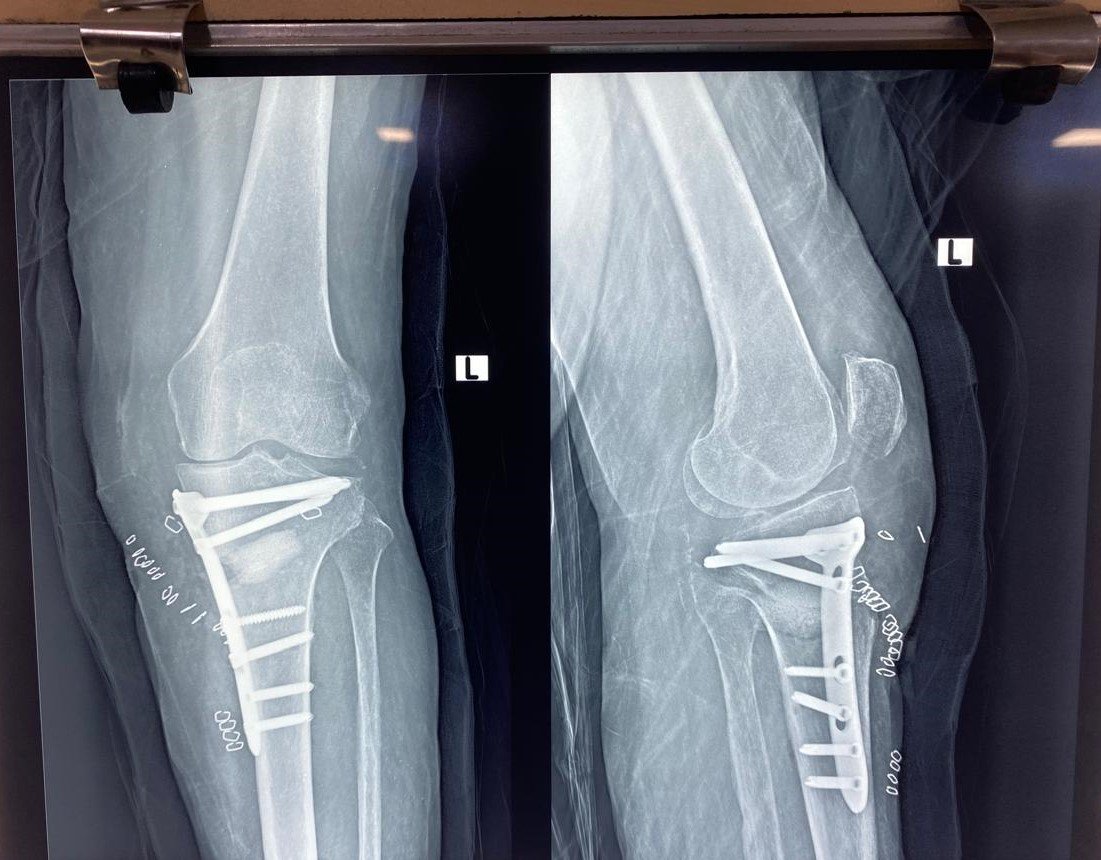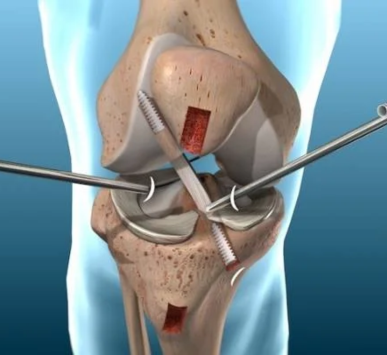

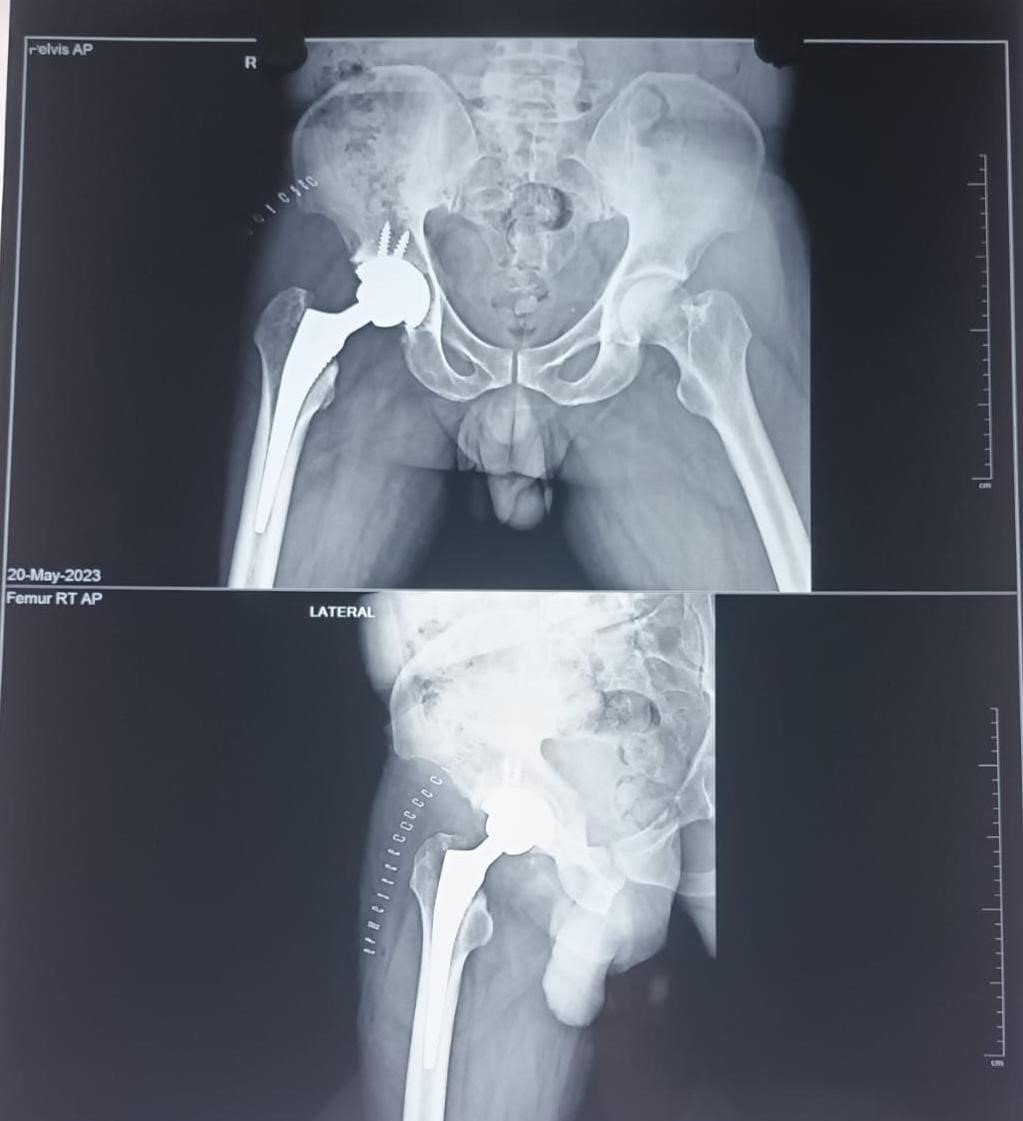
The hip joint is a ball-and-socket synovial joint that bears the body's entire upper weight while facilitating smooth multi-axial movement. Severe pain in the groin, radiating down the front of the thigh to the knee, is frequently caused by advanced osteoarthritis, hip dysplasia, femoral neck fractures, or Avascular Necrosis (AVN) of the femoral head. Left untreated, AVN leads to progressive bone death, collapse of the femoral head, and crippling stiffness.
Understanding Avascular Necrosis (AVN) of the Femoral Head
AVN occurs when the microvascular blood supply to the ball (femoral head) of the hip joint is compromised. Deprived of oxygen and essential nutrients, the trabecular bone tissue dies and weakens under mechanical stress, eventually leading to structural flattening and secondary osteoarthritis. Common risk factors include:
- High-dose corticosteroid usage (frequently seen post-COVID or in autoimmune treatments).
- Heavy alcohol consumption impairing lipid metabolism and micro-circulation.
- Post-traumatic injury (dislocations or fractures of the femoral neck disrupting retinacular arteries).
- Idiopathic causes with no identifiable trigger.
Clinical Stages & Treatment Pathway
In early stages (Ficat-Arlet Stages 1 & 2), joint-preserving surgeries like core decompression, bone marrow aspirate concentrate (BMAC), or vascularized bone grafting may be attempted. However, once the femoral head collapses (Stages 3 & 4) and articular incongruity develops, Total Hip Replacement (THR) is the undisputed gold standard for permanent pain relief.
What Happens During Total Hip Replacement (THR)?
During a total hip replacement:
- The damaged, collapsed femoral head is excised.
- A precision titanium stem is seated within the femur marrow canal.
- A ceramic or cobalt-chromium femoral ball is secured on the stem.
- The pelvic socket (acetabulum) is reamed to healthy bleeding bone and fitted with a porous-coated titanium cup lined with highly cross-linked polyethylene or ceramic.
Life After Hip Replacement
Total Hip Replacement is often heralded as one of the most successful surgical operations of the 21st century. Patients walk comfortably within 24 hours of surgery. Within weeks, limp and groin pain vanish completely, allowing individuals to resume walking, swimming, cycling, and daily family activities with full confidence.

Authored by Dr. Emad Ansari
MBBS, MS Ortho, FIJR — Consultant Orthopaedic, Joint Replacement & Trauma Surgeon, Bhiwandi, Maharashtra.
Providing evidence-based orthopedic care, minimally invasive trauma surgery, and comprehensive joint restoration across Maharashtra.