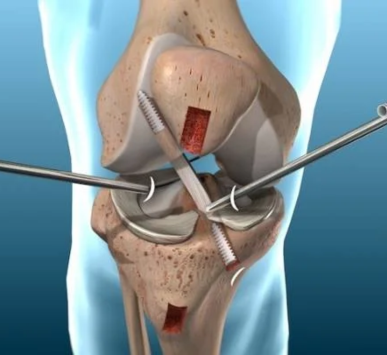

Knee osteoarthritis is one of the leading causes of chronic pain and mobility impairment in India, particularly among individuals above 50 years of age. When wear and tear erodes the protective articular cartilage, bone rubs painfully against bone, causing joint stiffness, bowing of the legs, and agonizing pain during everyday activities like walking or climbing stairs. When conservative therapies no longer offer relief, Total Knee Replacement (TKR) provides a proven, transformative solution.
When Is Total Knee Replacement Recommended?
Dr. Emad Ansari recommends knee arthroplasty after comprehensive physical examination and standing weight-bearing radiographs show:
- Severe chronic knee pain that persists even at rest or disrupts nocturnal sleep.
- Inability to perform routine daily activities such as standing, walking 100 meters, or climbing steps.
- Visible joint deformity, such as progressive inward bending (bowlegs / Genu Varum).
- Failure of conservative treatments including NSAID medications, intra-articular hyaluronic acid / PRP injections, and structured physical therapy.
Modern Surgical Innovations: What Happens During TKR?
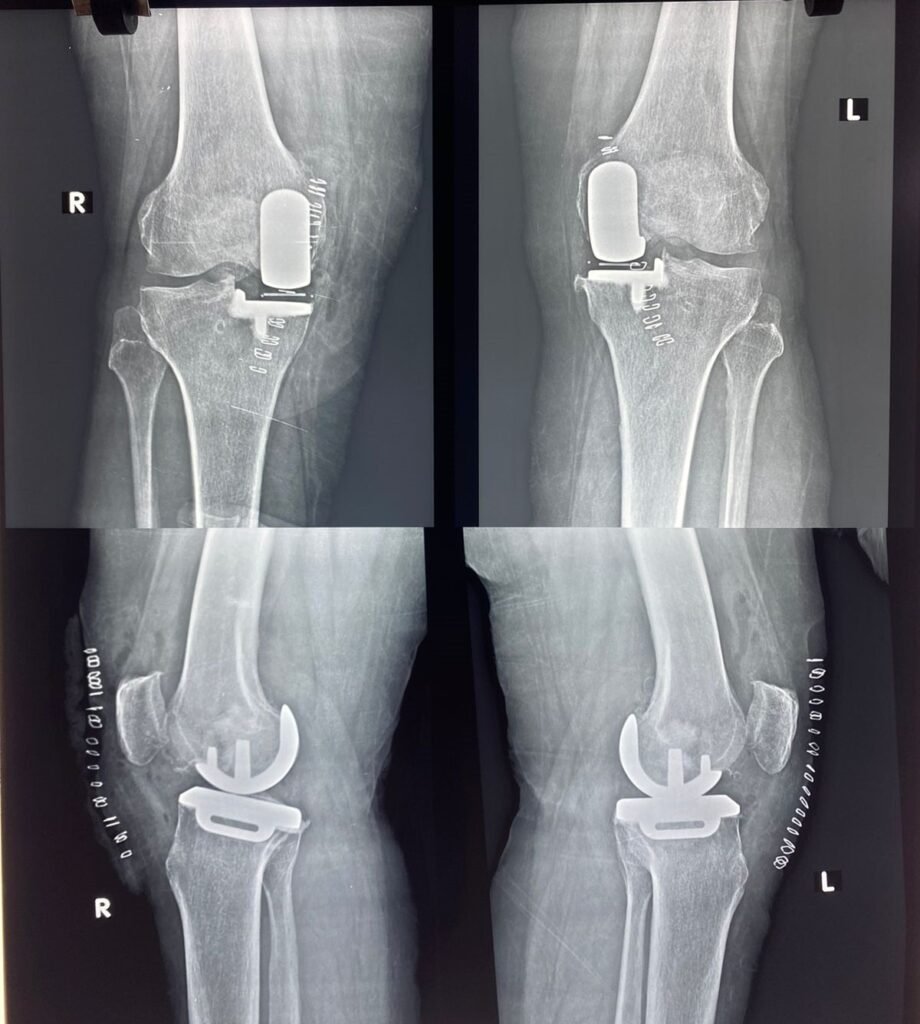
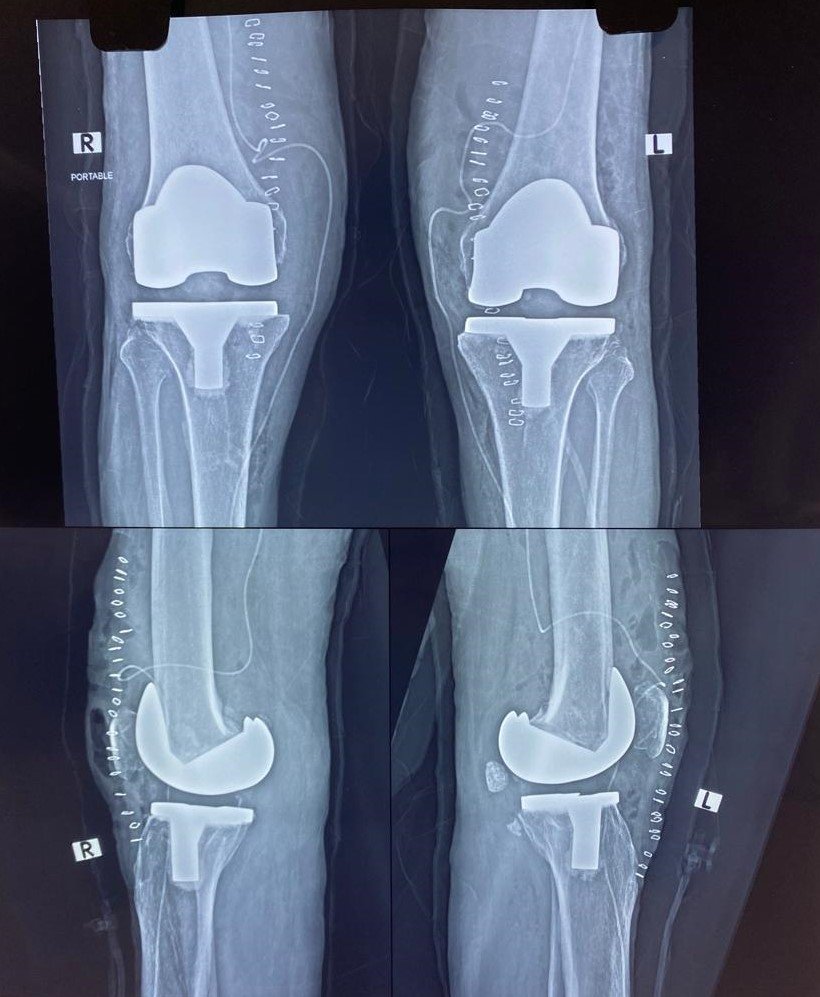
Contrary to common misconceptions, a knee replacement does not remove the entire knee joint. Only the worn, damaged 8 to 9 millimeters of surface bone and cartilage are shaved away. The bone ends are then resurfaced using precision instrumentation and capped with biocompatible cobalt-chromium or titanium alloy components, separated by a high-grade ultra-high-molecular-weight polyethylene spacer that acts as smooth, shock-absorbing artificial cartilage.
Recovery Timeline & Rehabilitation Milestones
Thanks to modern multimodal pain management and fast-track recovery protocols, patients experience minimal postoperative discomfort and start walking quickly:
- Day 1 Post-Op: Assisted standing and walking with a walker under physiotherapist supervision. Gentle quadriceps and ankle pump exercises begin.
- Weeks 2 - 3: Transition from walker to single walking stick. Surgical staples removed; knee flexion reaches 90 to 100 degrees.
- Weeks 4 - 6: Independent walking without assistive devices. Ability to drive, resume office work, and climb stairs comfortably.
- Months 3 - 6: Full functional recovery, active lifestyle, and pain-free joint motion.
With high-durability implants lasting 20 to 25+ years, Dr. Emad Ansari helps patients regain an active, joyous, and pain-free life.
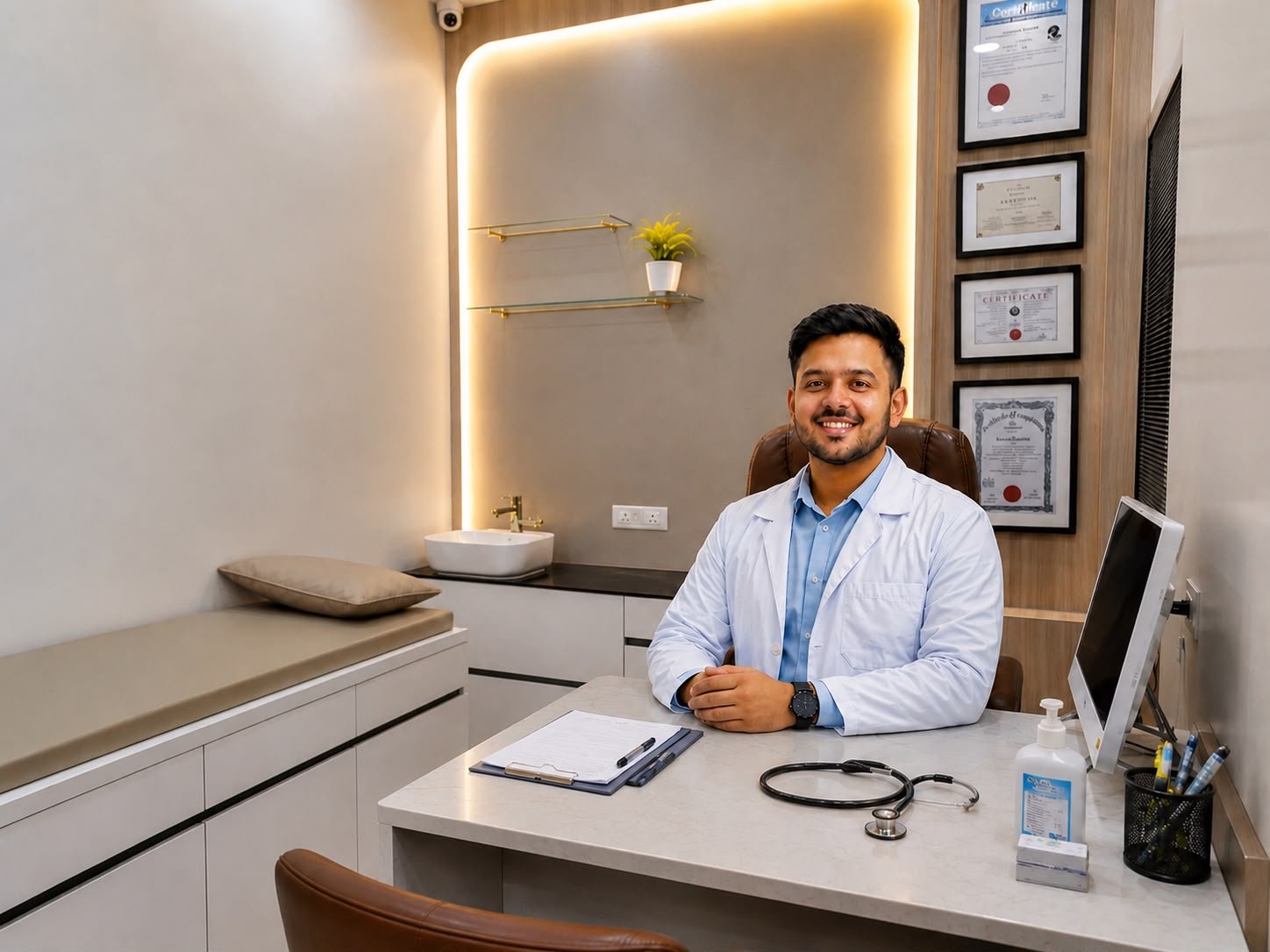
Authored by Dr. Emad Ansari
MBBS, MS Ortho, FIJR — Consultant Orthopaedic, Joint Replacement & Trauma Surgeon, Bhiwandi, Maharashtra.
Providing evidence-based orthopedic care, minimally invasive trauma surgery, and comprehensive joint restoration across Maharashtra.