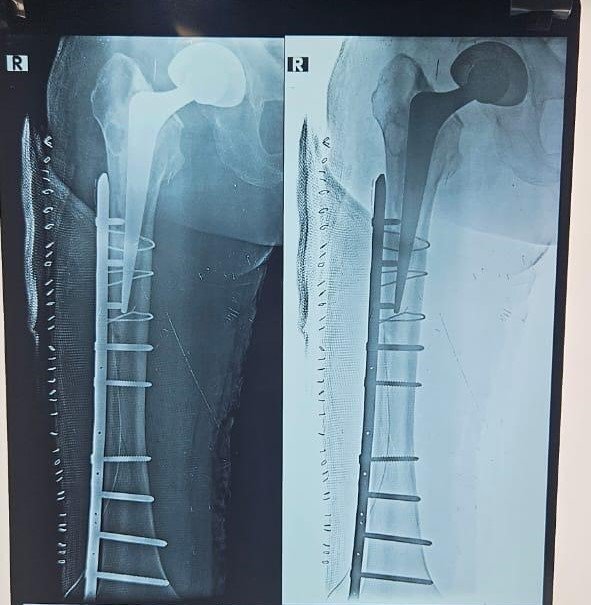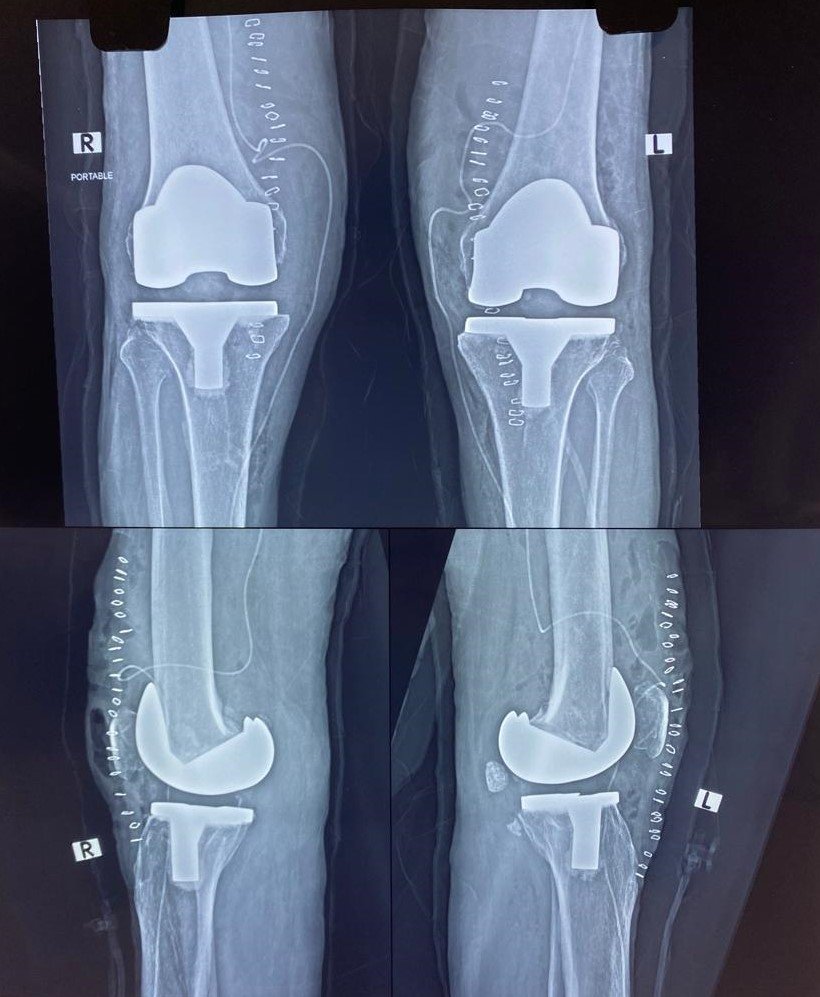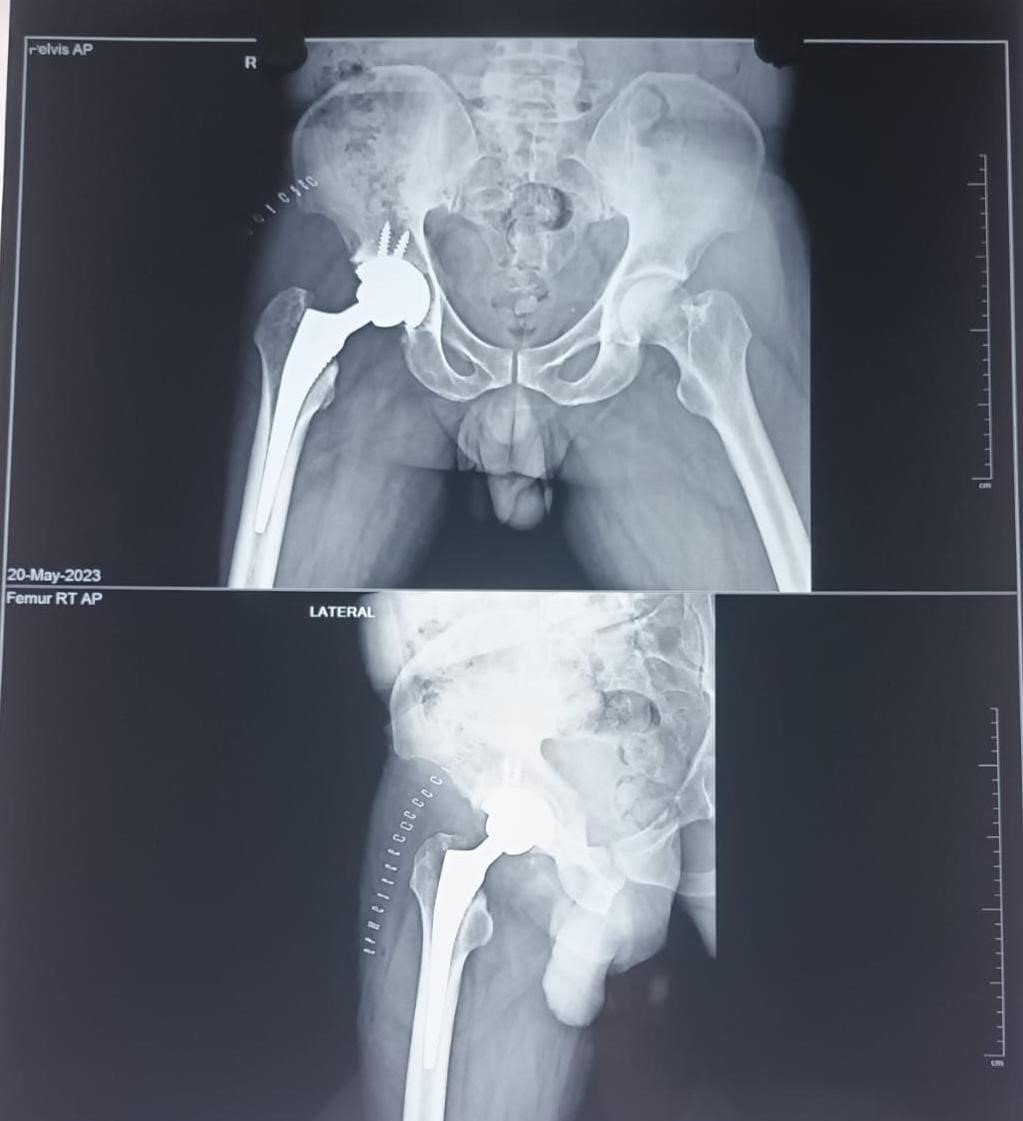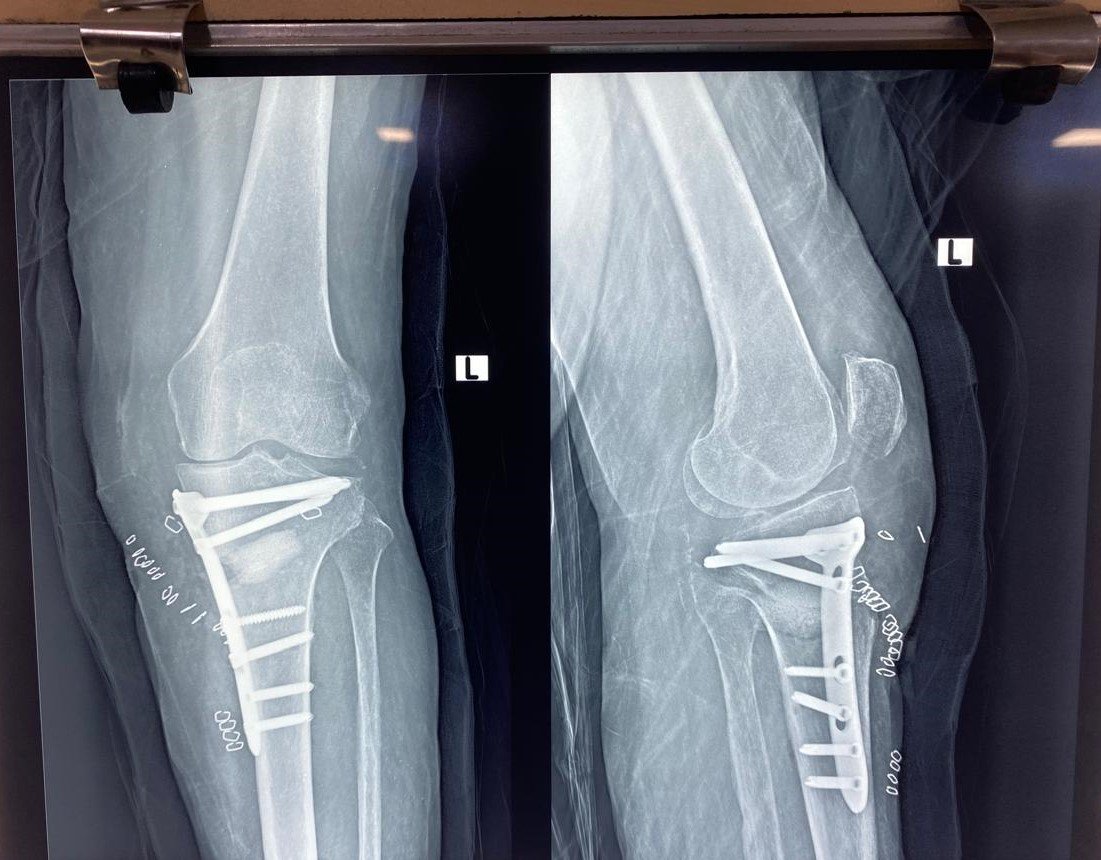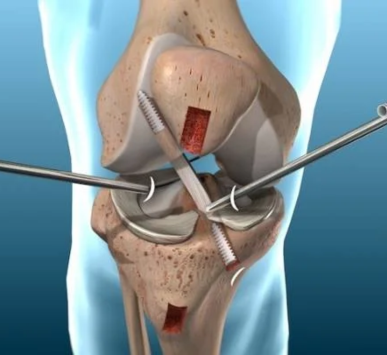

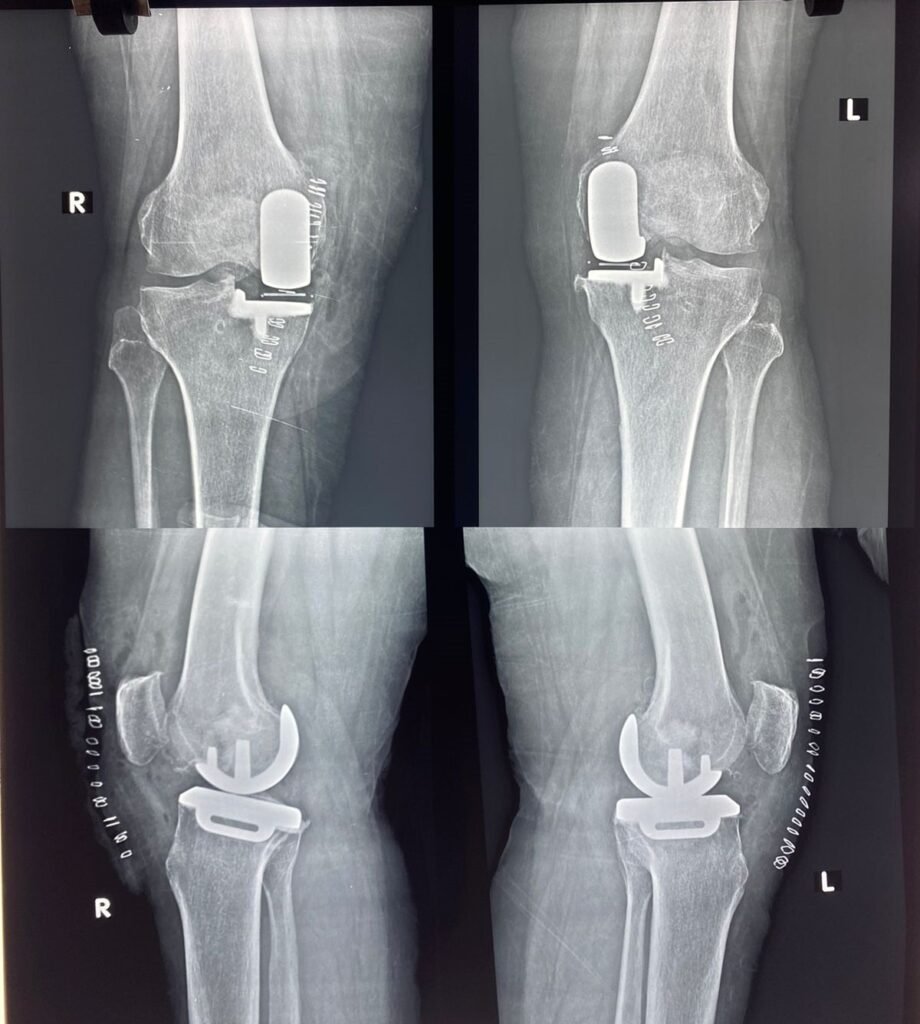
The knee joint is divided into three distinct anatomical compartments: the medial (inner) compartment, the lateral (outer) compartment, and the patellofemoral (kneecap) compartment. In nearly 30% of patients with knee osteoarthritis, the cartilage damage is confined exclusively to just one single compartment—predominantly the inner (medial) side. For these patients, Partial Knee Replacement (Unicompartmental Knee Arthroplasty - UKA) is an exceptional alternative to total replacement.
Key Differences: Partial vs. Total Knee Arthroplasty
| Feature | Partial Knee Replacement (PKR) | Total Knee Replacement (TKR) |
|---|---|---|
| Bone Resurfaced | Only damaged single compartment | All three compartments |
| Cruciate Ligaments | Both ACL and PCL preserved | ACL usually sacrificed or substituted |
| Incision Size | Small minimally invasive (6-8 cm) | Standard midline (12-15 cm) |
| Knee Kinematics | Feels 100% natural, excellent proprioception | Stable artificial joint feeling |
| Hospital Stay | 1 - 2 days (often outpatient) | 3 - 4 days |
Who is the Right Candidate for Partial Knee Replacement?
Dr. Emad Ansari evaluates candidates using precise criteria:
- Cartilage degeneration localized strictly to one compartment (confirmed on valgus/varus stress radiographs and MRI).
- Intact and functional Anterior Cruciate Ligament (ACL) and Posterior Cruciate Ligament (PCL).
- Mild to moderate axial deformity (correctable intraoperatively).
- Absence of systemic inflammatory arthritis (such as Rheumatoid Arthritis, which attacks all compartments simultaneously).
Faster Recovery & Natural Knee Kinematics
Because healthy cartilage, bone stock, and cruciate ligaments are left untouched, patients report that their operated knee feels completely 'natural'. Deep knee flexion (bending) is preserved, blood loss is minimal, and return to brisk walking and driving happens within two to three weeks. Dr. Ansari offers specialized PKR consultations to help patients preserve their natural joint whenever clinically feasible.
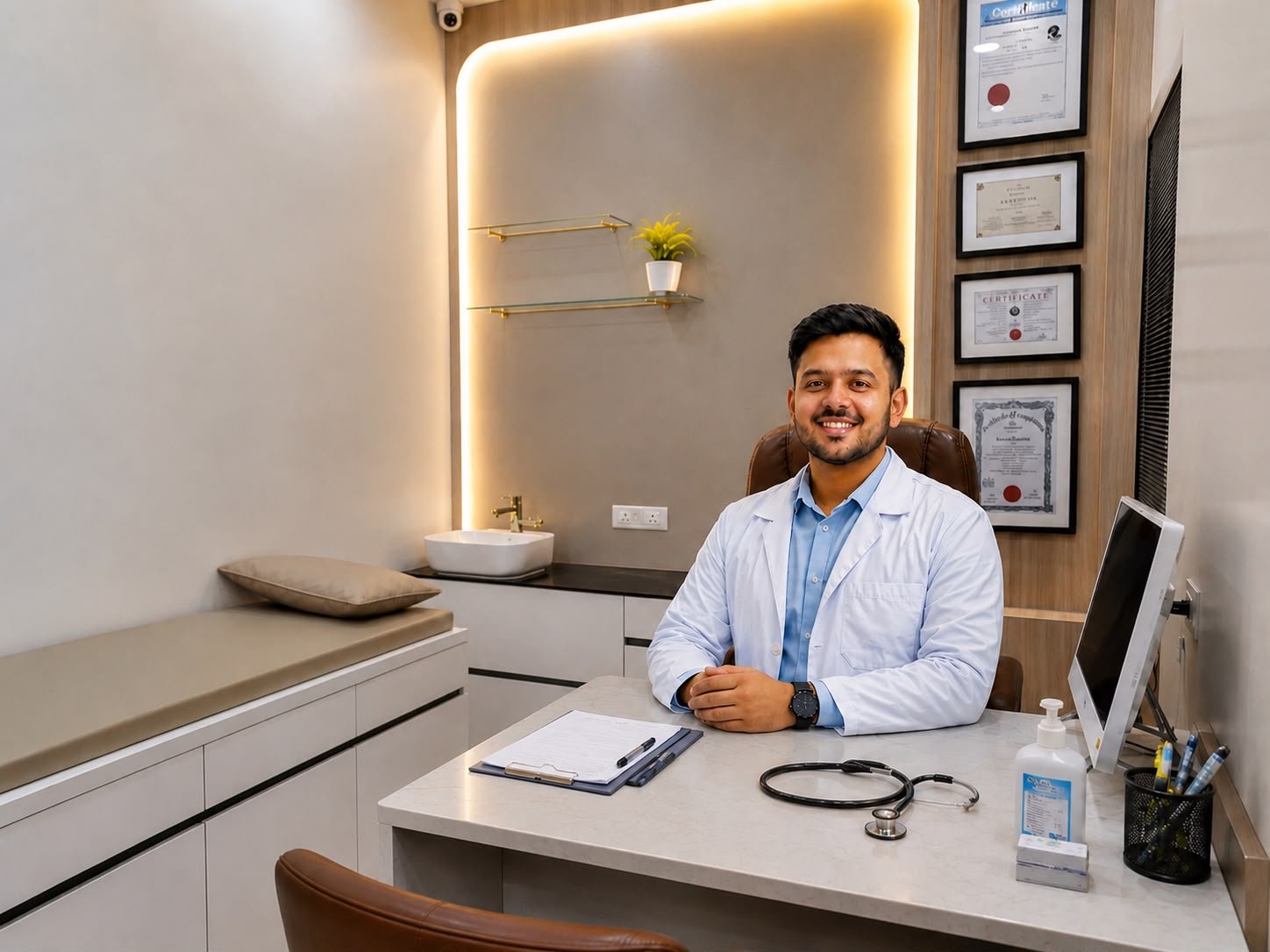
Authored by Dr. Emad Ansari
MBBS, MS Ortho, FIJR — Consultant Orthopaedic, Joint Replacement & Trauma Surgeon, Bhiwandi, Maharashtra.
Providing evidence-based orthopedic care, minimally invasive trauma surgery, and comprehensive joint restoration across Maharashtra.