
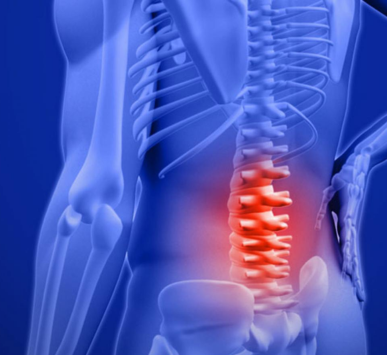
Back pain is the second most common neurological ailment worldwide, surpassed only by headache. For millions of individuals, sedentary desk lifestyles, improper heavy lifting, sudden twisting, or age-related degenerative changes can cause the cushioning intervertebral discs of the spine to bulge or rupture. When a herniated disc presses upon the adjacent spinal nerve root, it triggers Sciatica (Lumbar Radiculopathy)—a sharp, burning, electrical shock-like pain traveling from the lower back through the buttock and down the leg.
Signs and Symptoms of Lumbar Disc Herniation & Sciatica
Patients experiencing lumbar nerve compression frequently exhibit:
- Persistent lower back ache exacerbated by prolonged sitting, coughing, or sneezing.
- Unilateral sharp shooting pain radiating down the back or side of the leg past the knee into the foot.
- Paresthesia: 'pins and needles' sensations or numbness in the toes and calf.
- Motor weakness: difficulty lifting the foot (foot drop) or pushing off the big toe.
The 90% Rule: Why Most Slipped Discs Do NOT Require Surgery
A crucial fact emphasized by Dr. Emad Ansari is that over 85% to 90% of slipped disc and sciatica cases heal completely without surgery. Dr. Ansari follows a conservative, stepped-care approach:
- Targeted Anti-Inflammatory Medication: Short-course neural membrane stabilizers, muscle relaxants, and selective NSAIDs to calm irritated nerve roots.
- Spinal Physical Therapy: McKenzie extension protocols, core stability strengthening, and lumbar traction to relieve disc pressure.
- Transforaminal Epidural Steroid Injections (ESI): Targeted fluoroscopy-guided injections delivering concentrated anti-inflammatory medication directly onto the inflamed nerve root, offering profound, long-lasting relief.
When Is Spine Surgery Necessary? Red Flag Indicators
Surgery is reserved for specific clinical indications:
- Cauda Equina Syndrome (Emergency): Loss of bowel or bladder control, saddle anesthesia (numbness in the groin/perineum)—requires emergency decompression within 24 hours.
- Progressive Neurological Deficit: Worsening foot drop or leg weakness.
- Intractable Pain: Severe, unrelenting pain that fails to improve after 6 to 8 weeks of diligent conservative therapy.
When required, modern minimally invasive spine procedures like microdiscectomy use microscopic visualization to gently tease away the herniated fragment while sparing spinal stability, allowing patients to walk hours after surgery and return to pain-free daily living.

Authored by Dr. Emad Ansari
MBBS, MS Ortho, FIJR — Consultant Orthopaedic, Joint Replacement & Trauma Surgeon, Bhiwandi, Maharashtra.
Providing evidence-based orthopedic care, minimally invasive trauma surgery, and comprehensive joint restoration across Maharashtra.